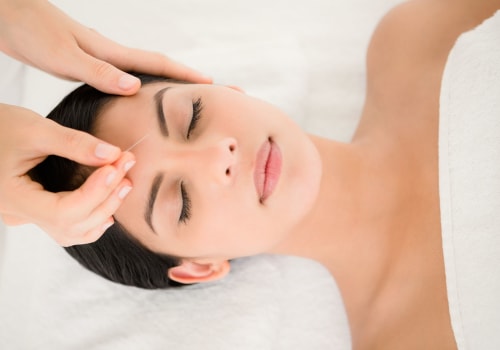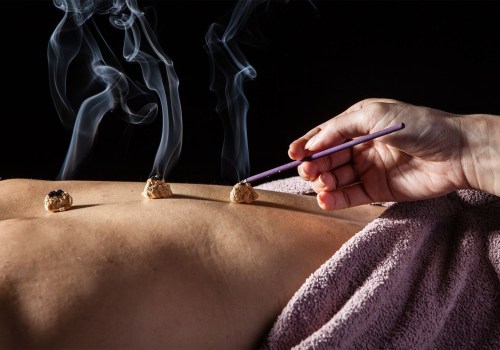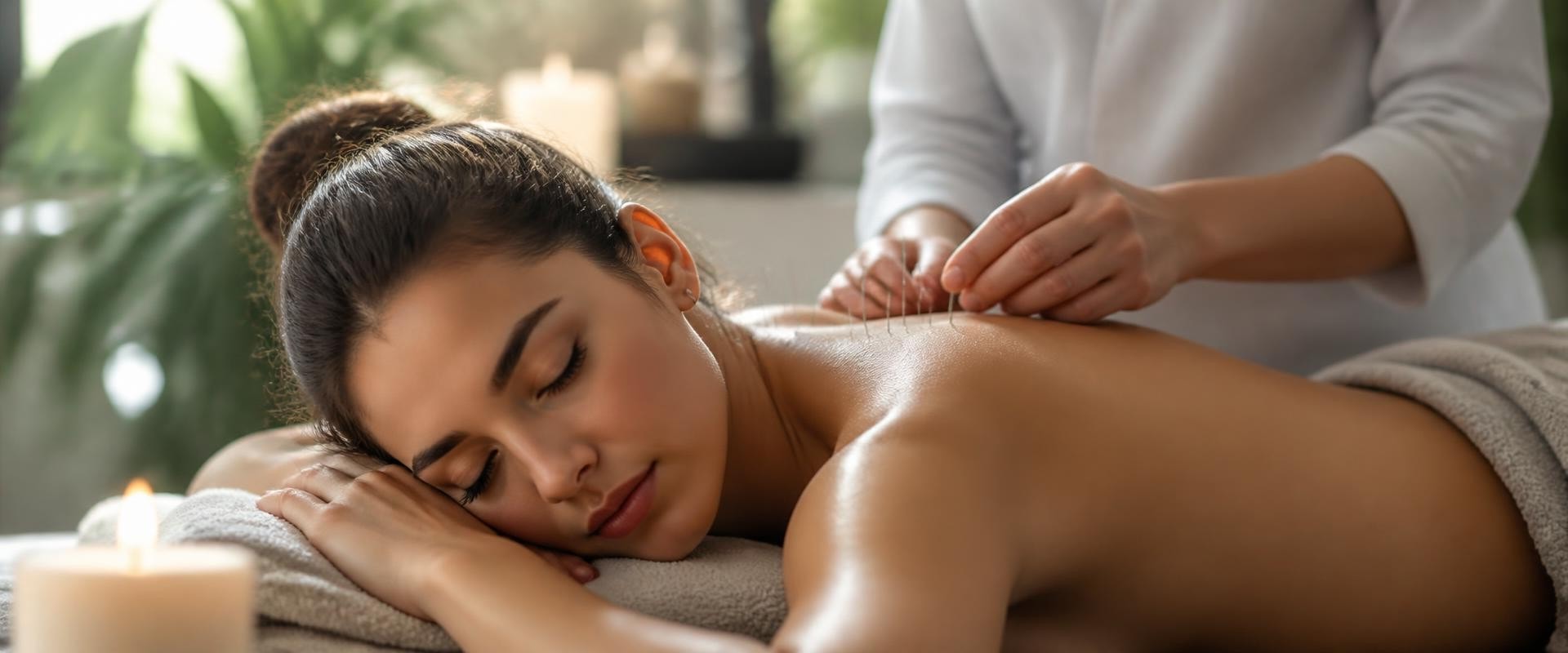
Acupuncture is a traditional therapeutic practice that involves placing very thin needles at specific points on the body. It is often included in conversations about complementary healthcare, particularly among individuals interested in approaches that may support relaxation, comfort, and general well-being. Some people seek acupuncture as part of a broader strategy for managing stress or addressing certain physical concerns, while others are interested in incorporating complementary practices into an established healthcare routine. It is important to recognize that experiences with acupuncture can vary and that it should not automatically be considered a replacement for evidence-based medical treatment. Instead, it may be viewed as one potential component of a personalized approach that considers physical health, emotional wellness, lifestyle habits, and individual preferences.
Supporting Relaxation and Stress Management
Relaxation is an important part of maintaining overall health because prolonged stress can influence sleep, muscle tension, concentration, mood, and everyday functioning. Some individuals report feeling calm or relaxed during or after acupuncture sessions, although responses differ from person to person. The treatment setting itself may also encourage people to slow down and dedicate time to self-care. Regardless of the specific experience, relaxation routines are most effective when combined with other healthy habits. Breathing exercises, regular movement, adequate sleep, balanced nutrition, enjoyable activities, and meaningful social connections can all contribute to a stronger foundation for managing everyday stress. Acupuncture may complement these practices for some individuals, provided it is used appropriately and with realistic expectations.
Building Resilience Through Comprehensive Care
Resilience involves developing the ability to adapt to challenges and recover from stressful experiences. Supporting resilience requires attention to both physical and emotional needs. Individuals who experience ongoing stress may benefit from identifying healthy coping strategies that can be practiced consistently rather than relying on a single intervention. Acupuncture may be incorporated into a broader wellness routine, but maintaining realistic expectations is important. Individuals should also communicate with their healthcare providers about complementary therapies, particularly when they have existing medical conditions or are receiving other treatments. A coordinated approach can help ensure that complementary practices fit appropriately within an individual's overall healthcare plan.
Connecting Physical and Emotional Health
Physical discomfort and emotional stress can influence one another, making whole-person care particularly valuable. Persistent discomfort may interfere with sleep, activity, relationships, and mood, while ongoing emotional strain can contribute to muscle tension and fatigue. Addressing these connections can help individuals develop more comprehensive strategies for maintaining well-being. Psychological support can be particularly useful when stress, anxiety, or other emotional concerns begin affecting daily life. For individuals seeking additional guidance, Cabot Psychological Services Minneapolis may provide professional support as part of a broader approach to emotional and psychological wellness. Acupuncture and psychological care serve different purposes, but they can potentially exist alongside other appropriate healthcare strategies when coordinated thoughtfully.
Making Acupuncture Part of a Balanced Routine
Anyone considering acupuncture should seek treatment from a qualified practitioner who follows appropriate safety and hygiene practices. People with certain medical conditions, those taking medications that affect bleeding, or individuals who are pregnant should discuss acupuncture with an appropriate healthcare professional beforehand. It is also important to seek medical evaluation for persistent or concerning symptoms rather than delaying necessary care. Ultimately, acupuncture can be considered one element of a personalized wellness routine focused on relaxation, resilience, and overall health. Its potential role is best understood alongside foundational habits such as quality sleep, regular physical activity, nutritious eating, social connection, preventive healthcare, and appropriate professional support. By taking a balanced approach, individuals can explore complementary practices while keeping safety, realistic expectations, and long-term well-being at the center of their healthcare decisions.